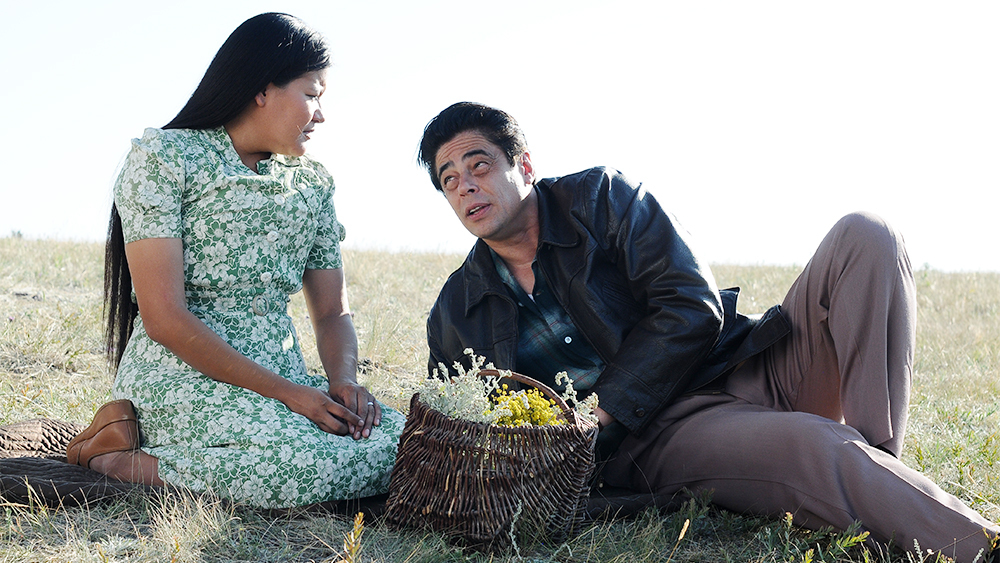
Jason says: “Early on in JIMMY P., a character apologizes for the way he tells, and it’s a bit of an odd moment, as he’s not the one whose manner of speech is likely to give a modern audience pause.
Kyle says: “THE JEWISH CARDINAL disappoints in the way of most fictional accounts of real people and events: The messiness of life must be reduced to the neatness of fiction. This account of the relationship between Jean-Marie Aaron Lustiger, Archbishop
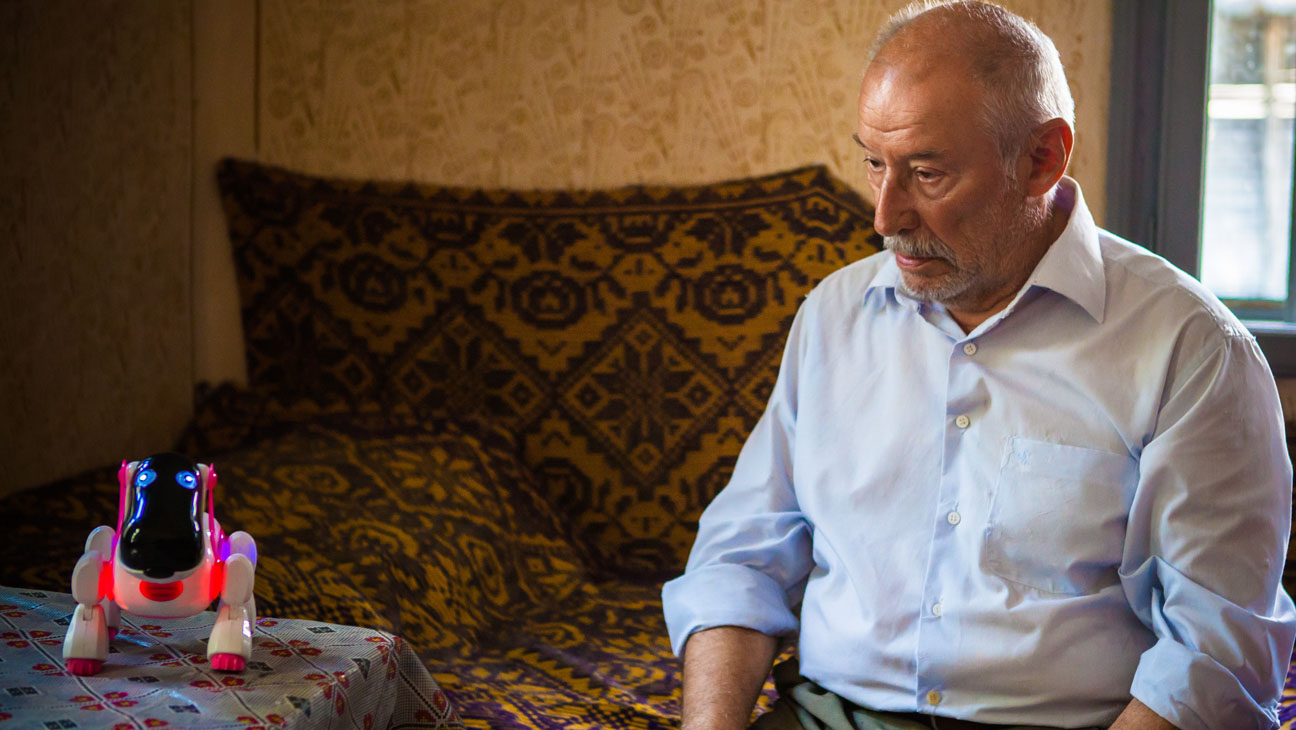
Kyle says: “THE JAPANESE DOG is yet another outstanding film from what cineastes refer to as either the Romanian New Wave or the New Romanian Cinema. The title refers to a plastic toy dog that waddles, flashes lights, talks ‘baby
Jason says: “The fact that the satire in JACKY IN THE KINGDOM OF WOMEN so often seems silly rather than particularly cutting might just be the most damning indictment of entrenched gender roles that there is; the whole thing seems
Kyle says: “‘All I want is a normal life.’ The moment this line is delivered by James (Spencer Lofranco) in the running time of JAMESY BOY is startling, first because every action and character preceding has made sure this is
Bruce says: “No one can accuse Laurent Cantet of making the same film over and over. Although his first film was not even released in his home country, his auspicious second feature HUMAN RESOURCES (1999) resonated with filmgoers around the
Jason says: “It’s been far too long since I’ve read far too little Dickens, but that actually matters not a whit in appreciating THE INVISIBLE WOMAN; though knowing some details of his work certainly will help, this story of him
Jason says: “It’s a horribly clinical thing to say, but building a movie around someone who committed suicide requires even more care than other documentaries. It distorts the audience’s perceptions and makes the filmmaker walk on eggshells, and in the
Bruce says: “Years ago there was a New Yorker cartoon with two old women on a bus. One was saying to the other, ‘the way I understand it is: if everyone in the world were stoned except for us, then
Bruce says: “Films from other countries often are less appreciated than they should be due to the gap in understanding of those countries mores and taboos. In the case of IN HER PLACE, knowing about the South Korean taboo of